The flora of Fernando de Noronha is characterized by low diversity and highly opportunistic species.
The vegetation of Fernando de Noronha is defined as seasonal deciduous forest and primarily subxerophytic, with few tree species and many shrubs and herbaceous species, but overall, with little biological diversity. Studies indicate the occurrence of 455 species from 79 plant families on Fernando de Noronha.
The algae species found in Fernando de Noronha are either widely distributed or typical of tropical regions. The occurrence of 198 algae species is reported in the Fernando de Noronha region: 53 Chlorophyta, 52 Phaeophyta, and 93 Rhodophyta.
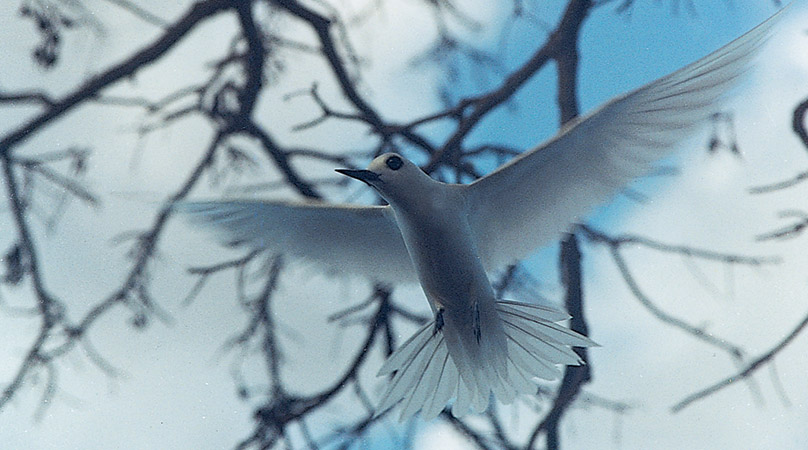
The fauna of Fernando de Noronha is characteristic of tropical oceanic island ecosystems, where animals have difficulty reaching, colonizing, and reproducing.
Land animals arrived in Fernando de Noronha brought by aerial plankton, on the feet of birds or on floating objects.
Marine animals came by ocean currents and birds came flying.
The biodiversity of Noronha is similar to that of Africa, the Bahamas and the coast of Brazil.