Fernando de Noronha
Diving
Some form of diving is practiced by about 75% of visitors to Fernando de Noronha. It’s always good to take some safety precautions, such as checking equipment, not diving alone, and being familiar with the archipelago’s current system, which moves in a northeast-southwest direction.
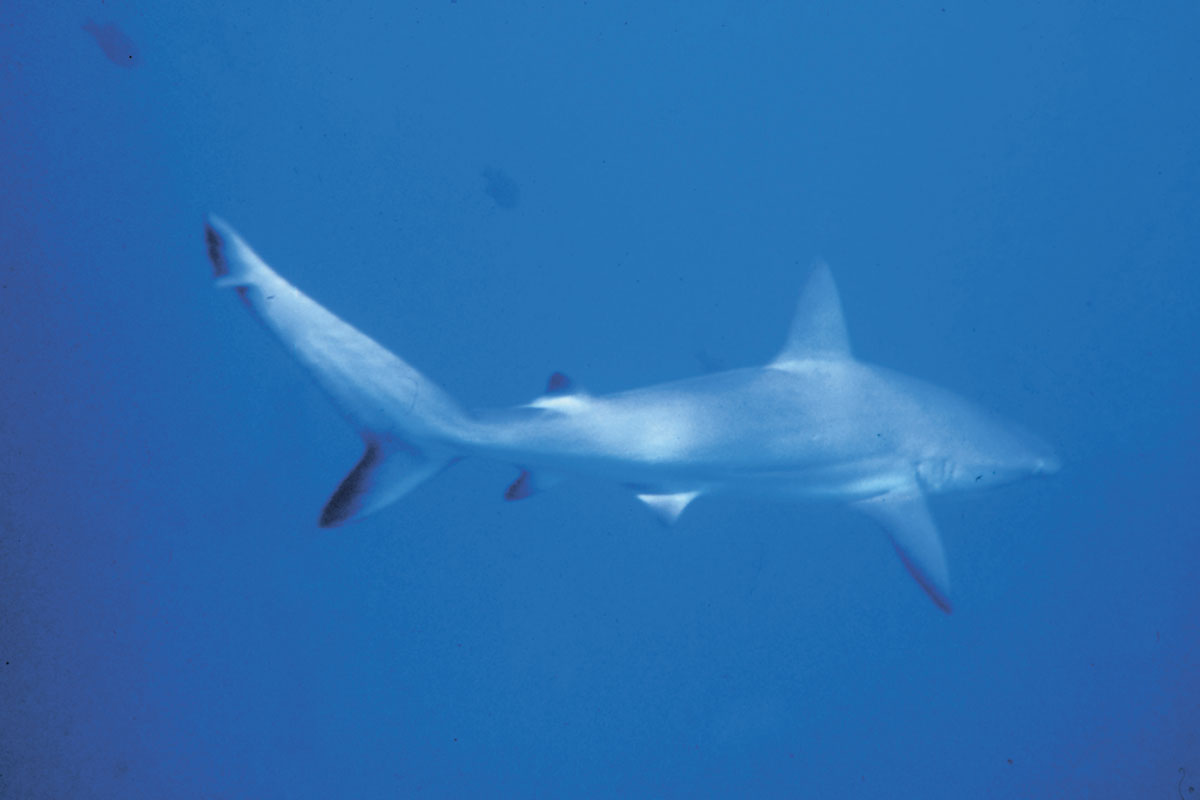
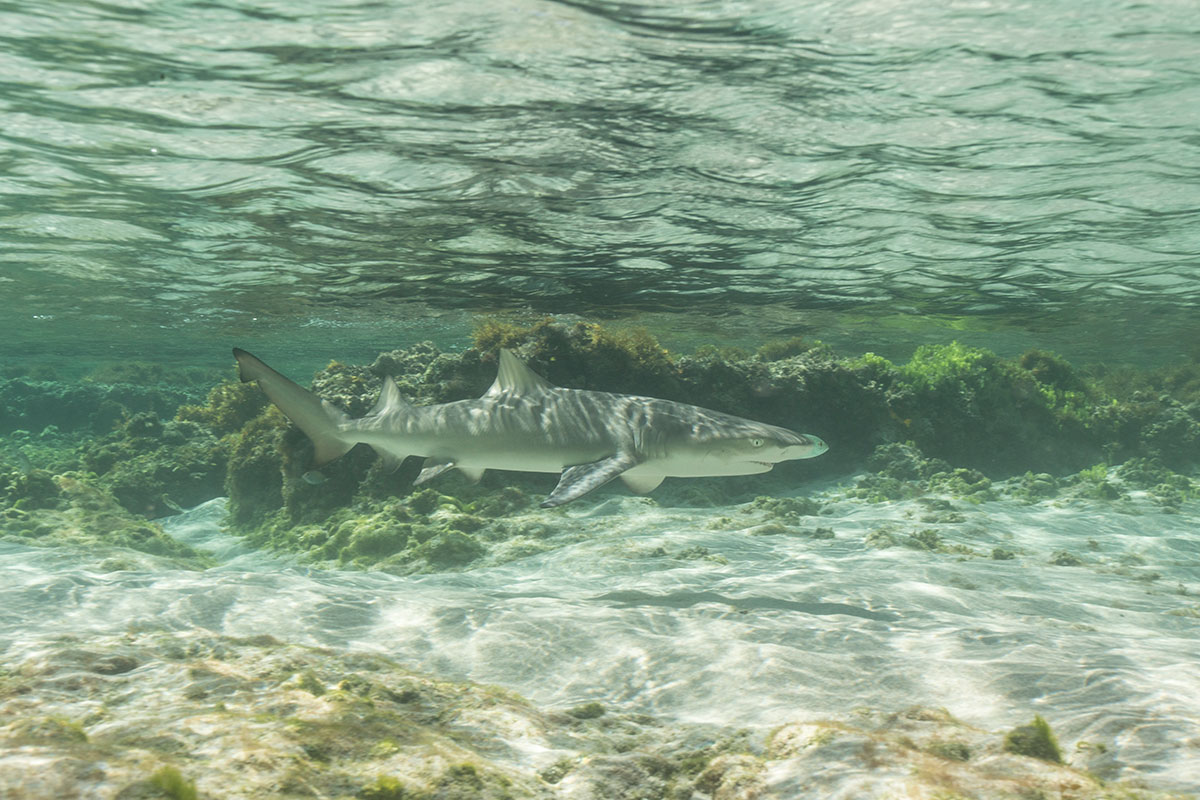
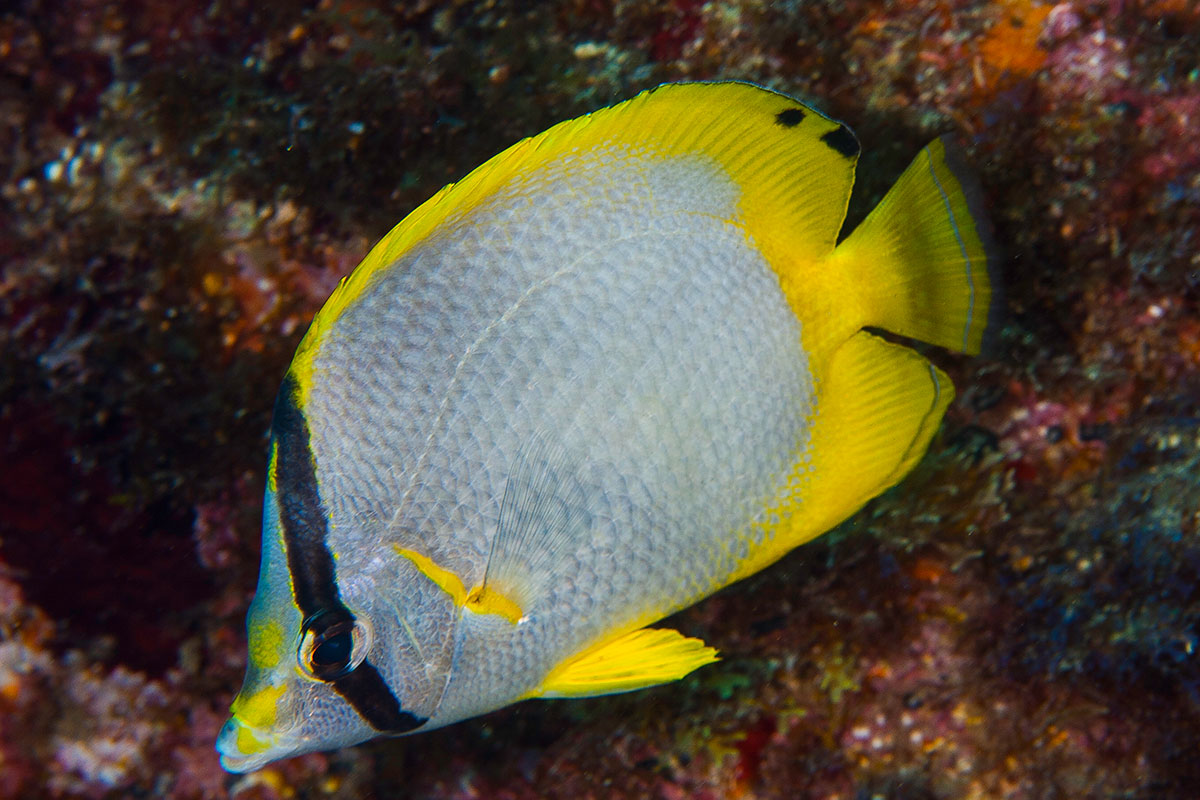
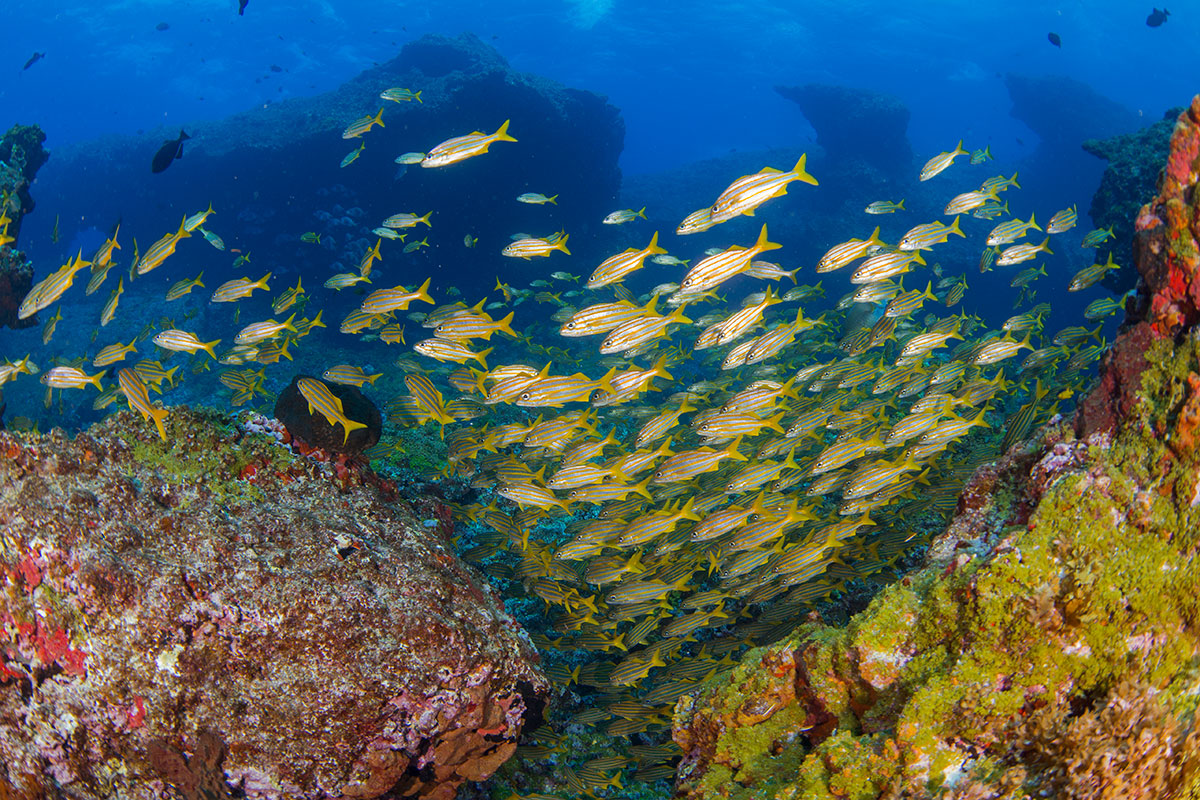
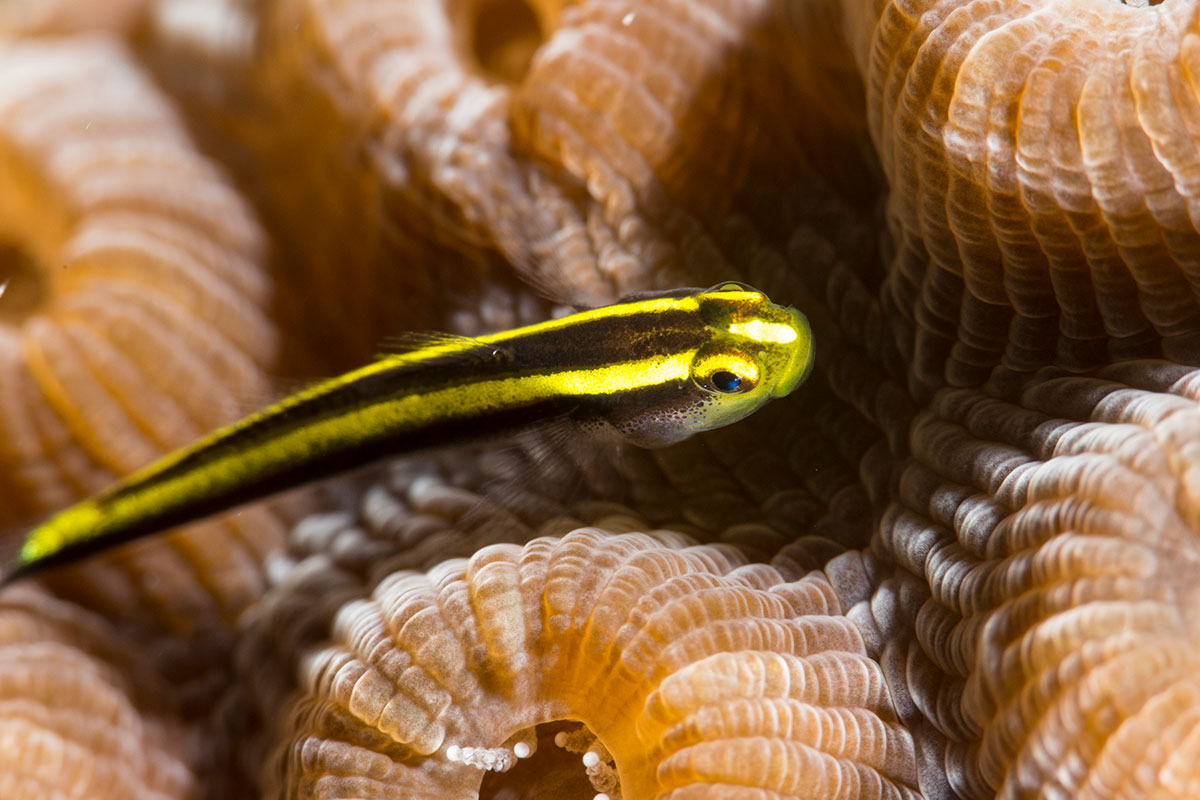
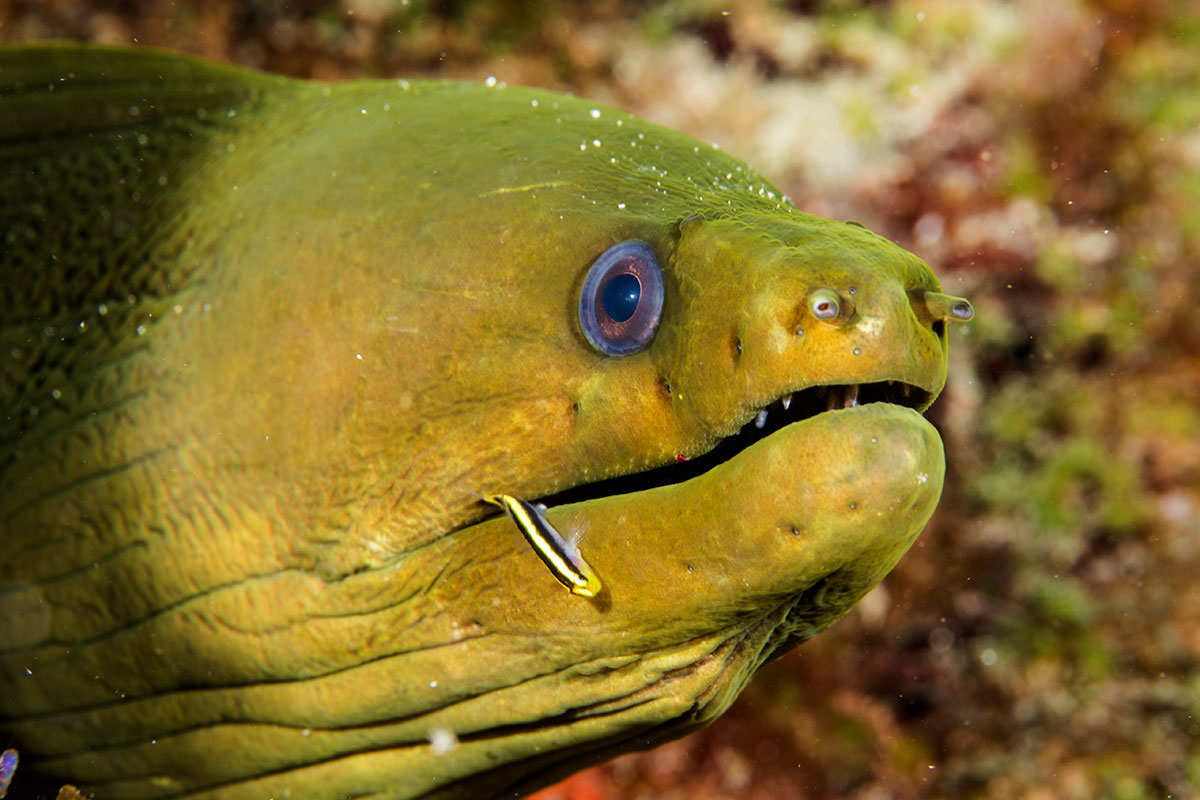
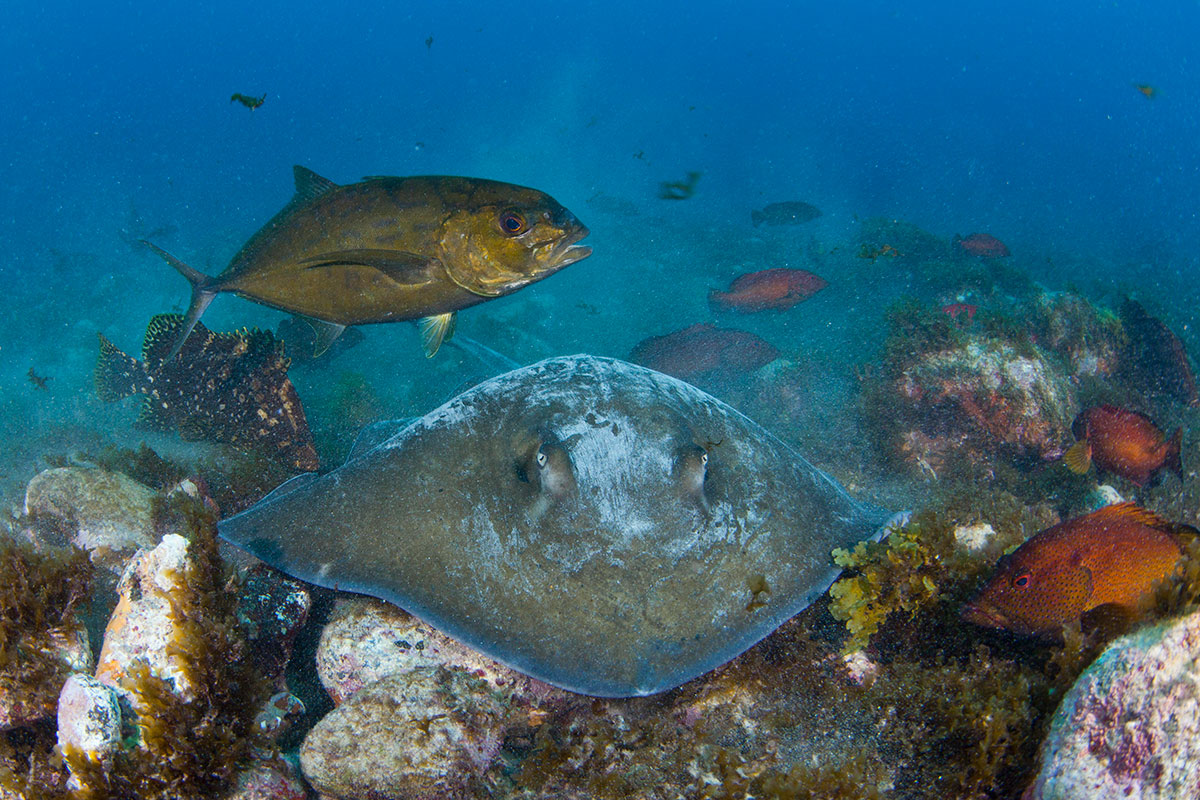
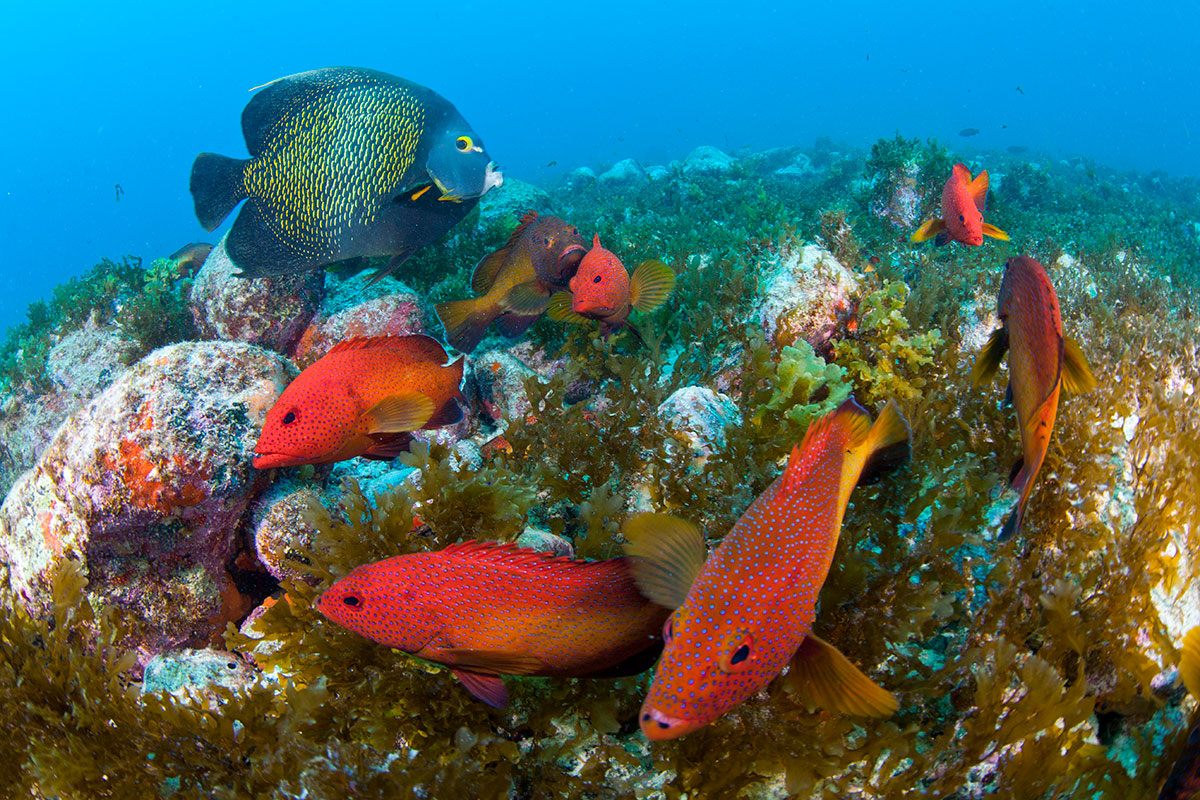
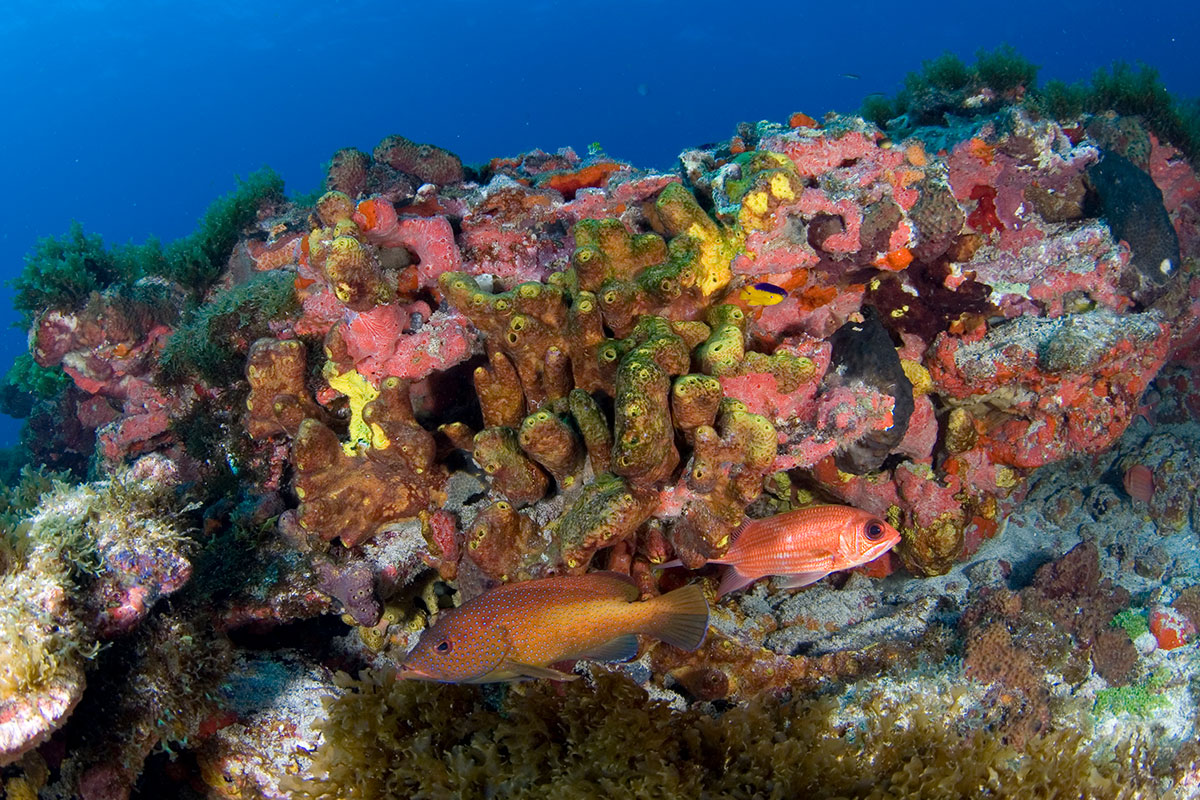
What makes Fernando de Noronha one of the best dive sites in the world is not only the beauty of the underwater landscape, nor the abundance of marine animals, much less the diversity of fauna. What distinguishes the archipelago is the convenience of knowing the underwater world with water by the waist or in dives of 100 meters of depth and the great facility to watch lobsters, octopuses, shoals of fish, sharks and turtles.
Fernando de Noronha is good at any time of the year for the two most common diving modalities: free and scuba diving. If you do not bring your dive gear, you will have several options for rent on the Island, from the mask to the regulator.
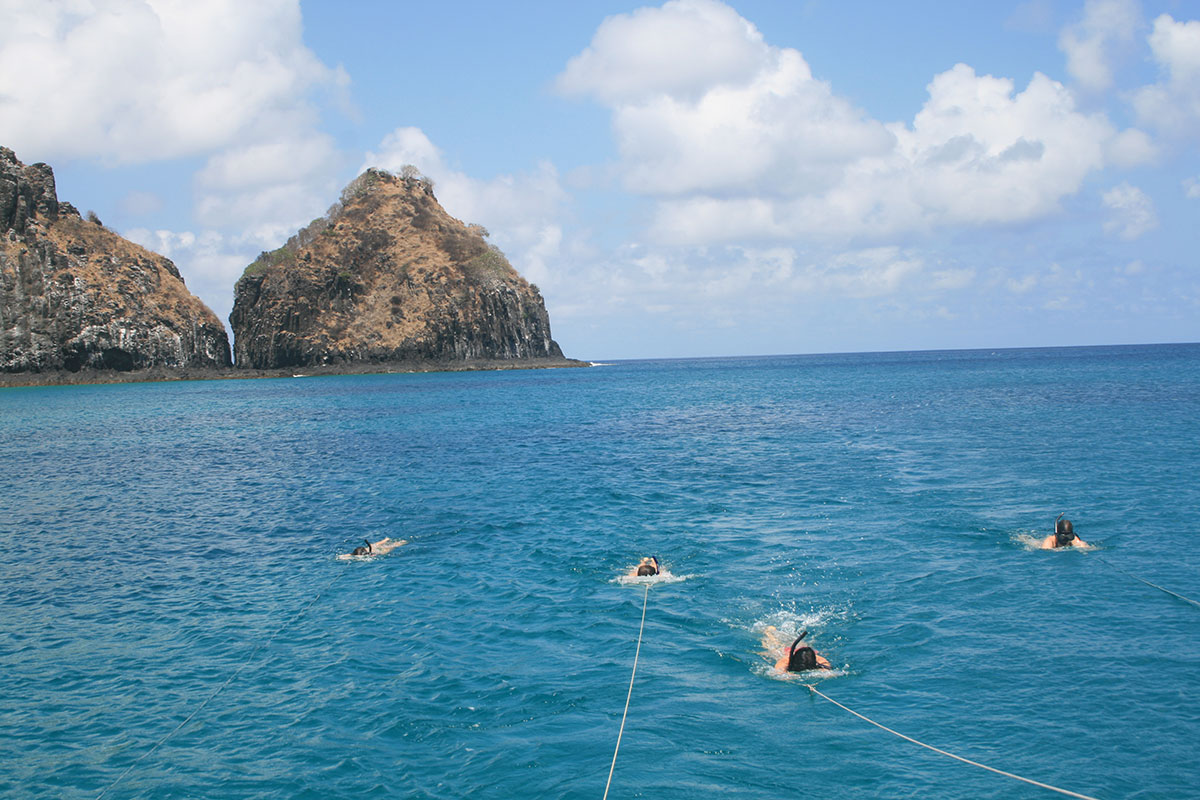
Free diving is divided into three modalities: snorkeling (swimming with equipment), apnea, and towed diving. For free diving, the following basic equipment is necessary: diving mask, snorkel, and fins. In the inner sea, which has better diving conditions from July to December, the best spots are: the shipwreck at Porto, the right side of Praia da Conceição, Laje do Boldró, and the right side of Baía do Sancho. In the outer sea, the best diving spots are: Baía do Sueste (check locally if it is open for diving and swimming), Praia do Leão, and Enseada da Caieira.
Approximately 40% of tourists visiting Fernando de Noronha participate in scuba diving with one of the many operators offering introductory dives, certified dives, technical dives, and courses. Scuba diving operations are conducted from boats at pre-defined locations, usually chosen based on sea conditions, and from the shore in Santo Antônio Bay. The best scuba diving spots are in the outer sea: Pedras Secas, Iúias, and Cabeço do Submarino, where sea conditions are best from March to May. In the inner sea, the best locations are Caverna, Cabeço da Sapata, and Pontal do Norte. The slopes of Ilha do Meio and Ilha do Rata are more commonly used for introductory dives.