Fernando de Noronha
Surf
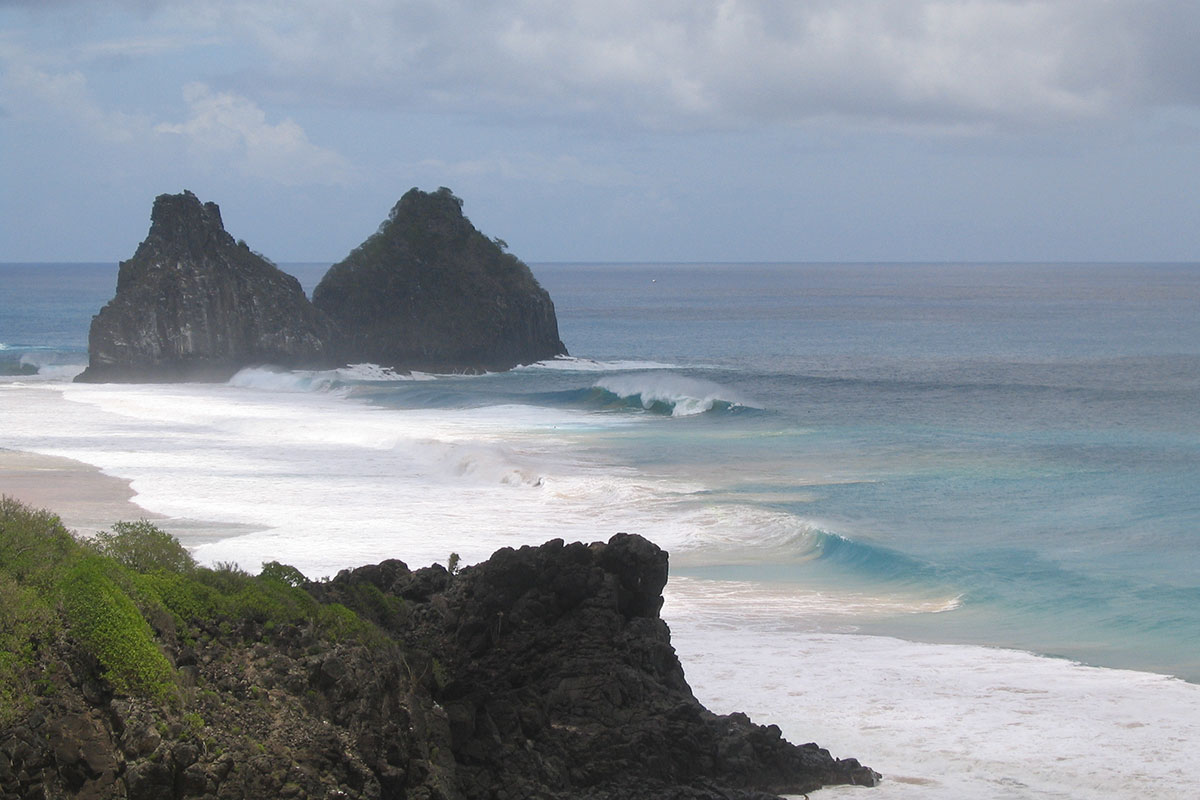
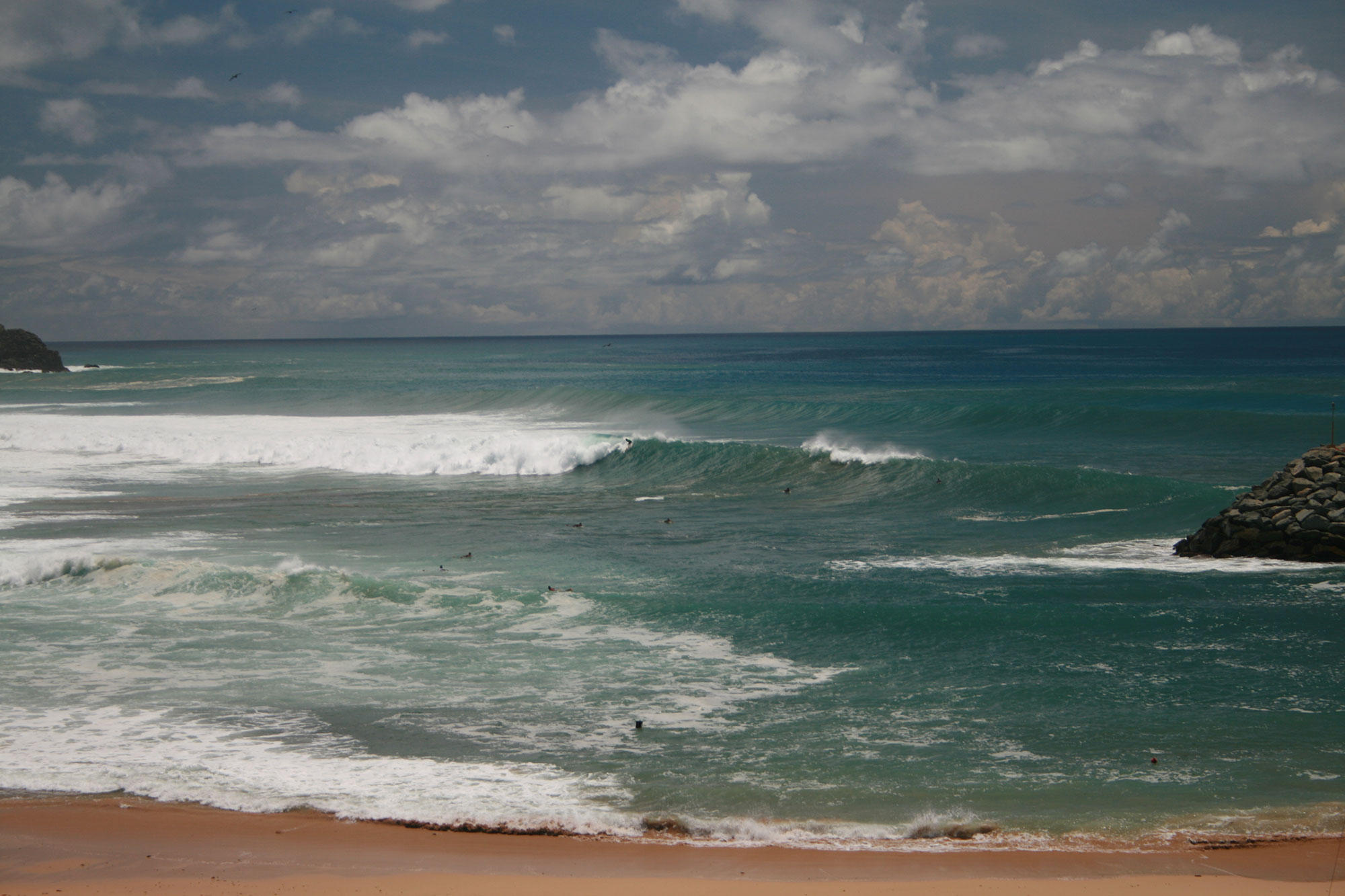
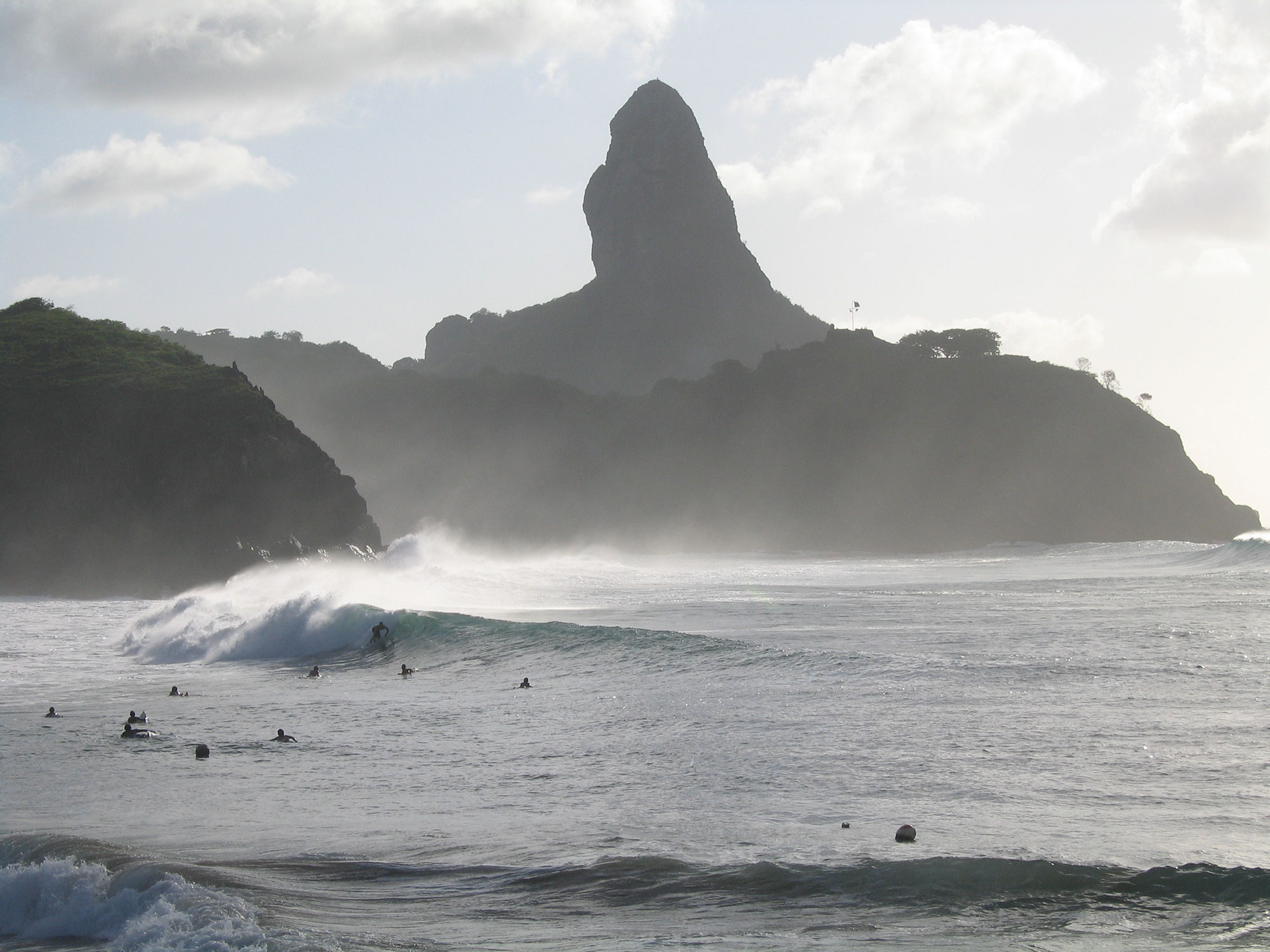
From November to April, Fernando de Noronha becomes the Brazilian Hawaii. As the wind shifts to the northeast, ocean swells reach the beaches of Mar de Dentro, the steepest part of the island. The first swells remove the sand from the seabed, until, by February and March, the seabed is clean and the waves break perfectly against the volcanic rock.
During high tide, the best surfing conditions are found on beaches with sandy bottoms, such as Praia da Cacimba do Padre, Laje do Bode, and Praia da Conceição.
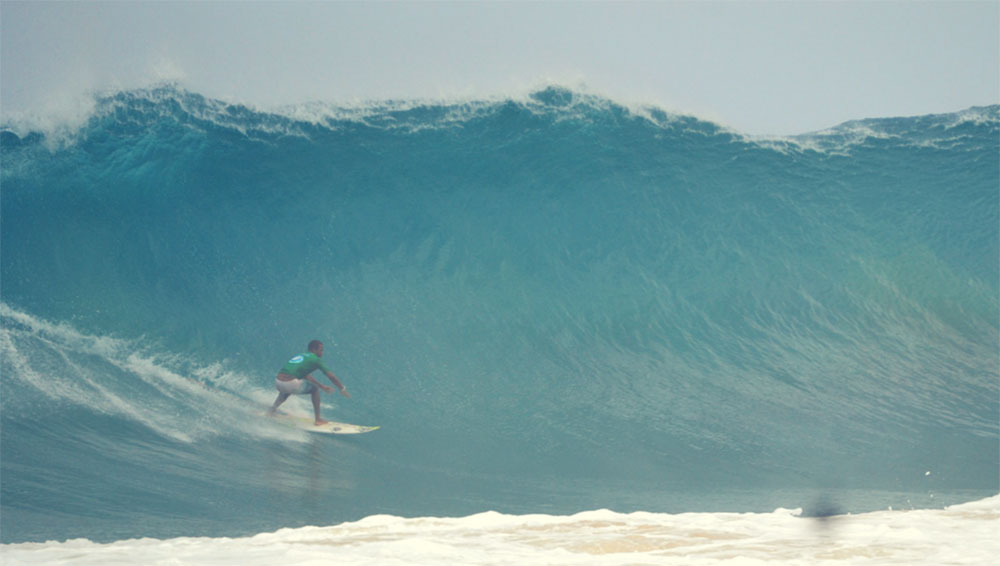
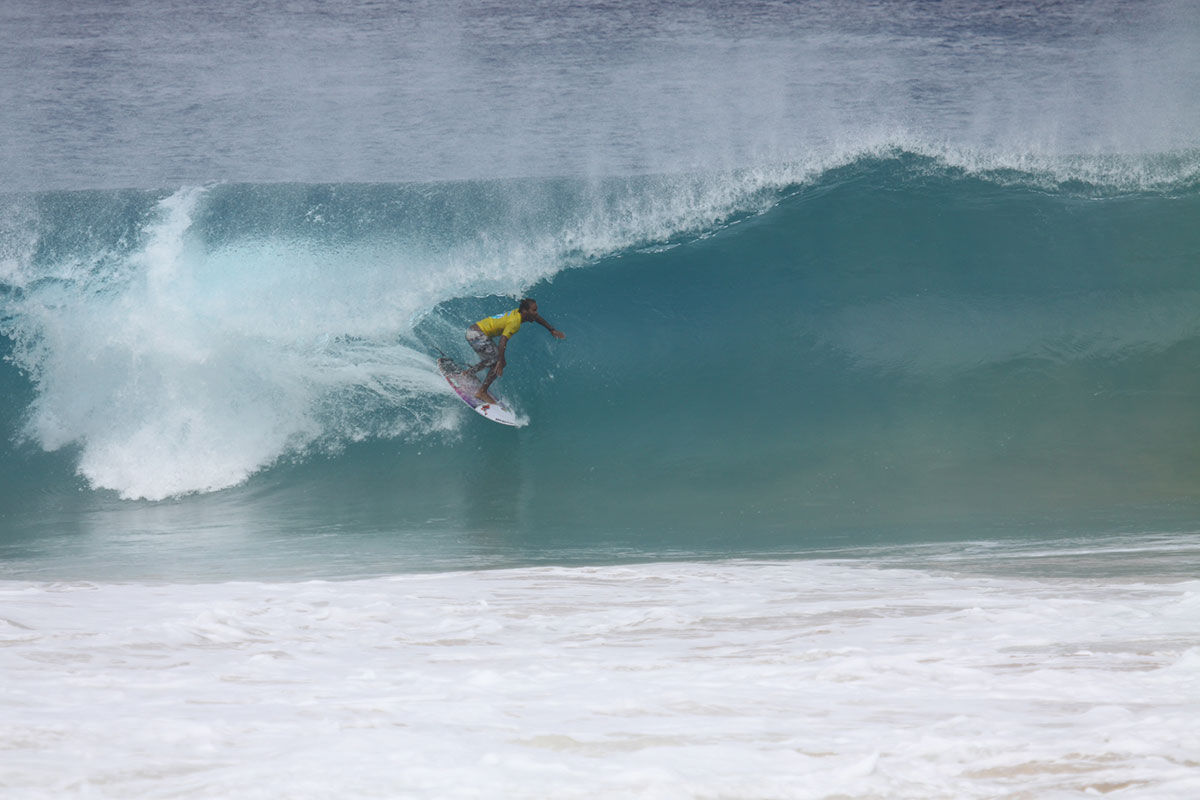
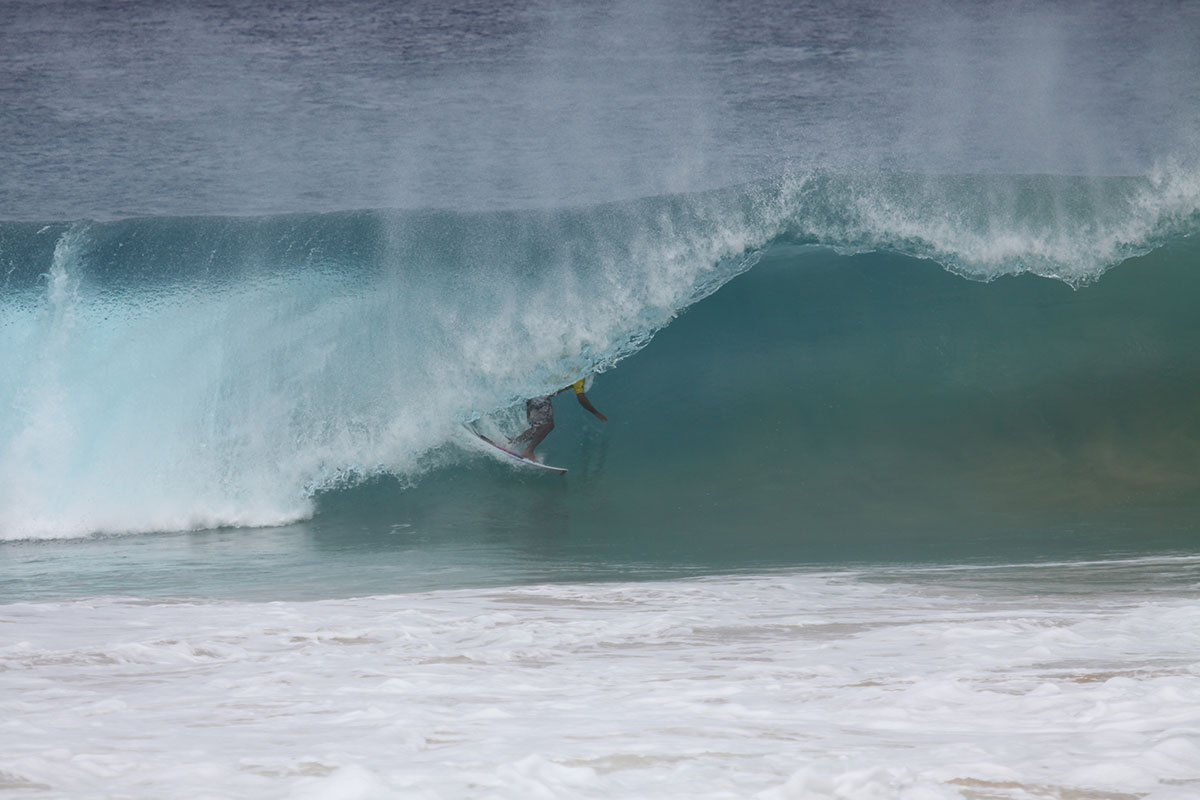
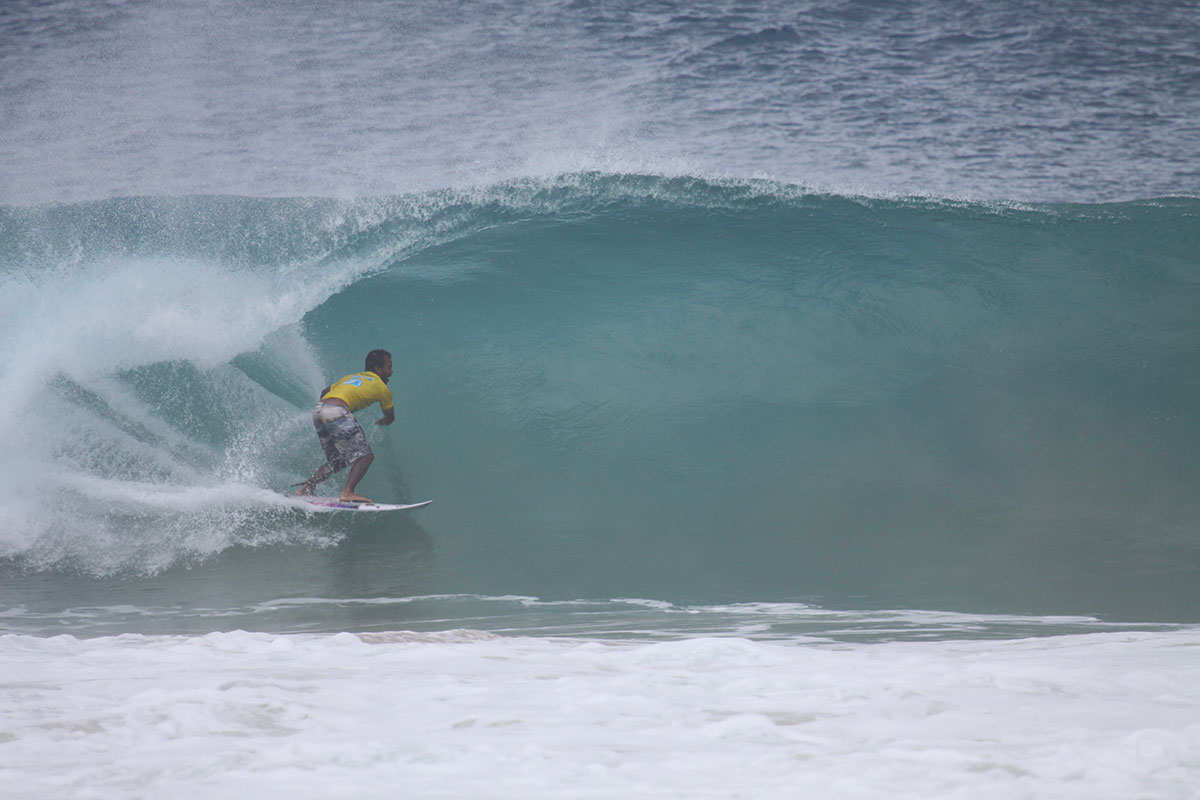
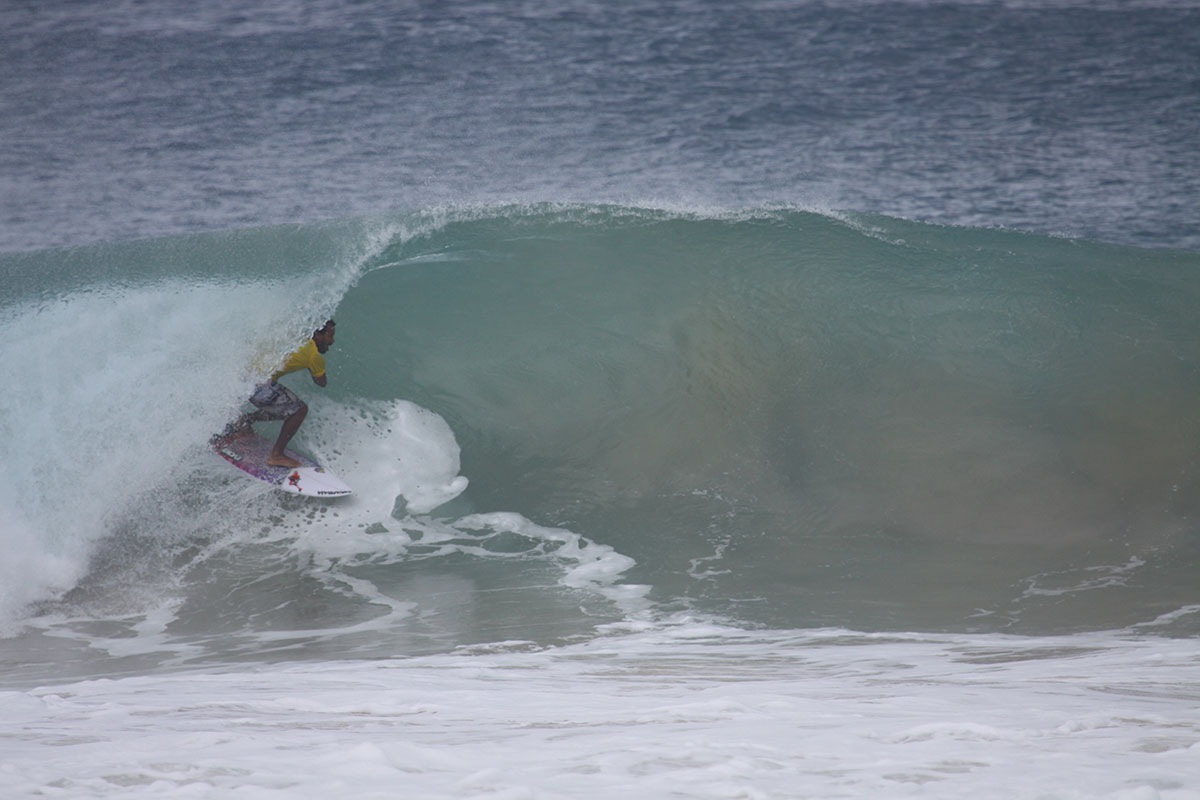
Cacimba do Padre boasts the largest tubular section in Brazil. These waves break left, with a thick crest, are completely hollow, and can reach up to 12 feet.
It’s a nervous surf, as the waves form and break quickly and many close.
The wave that breaks to the right at Laje do Bode is a little smaller and less strong than the left wave at Cacimba do Padre, but it is more perfect and longer.
Praia da Conceição is one of the most consistent peaks, especially from February onwards.
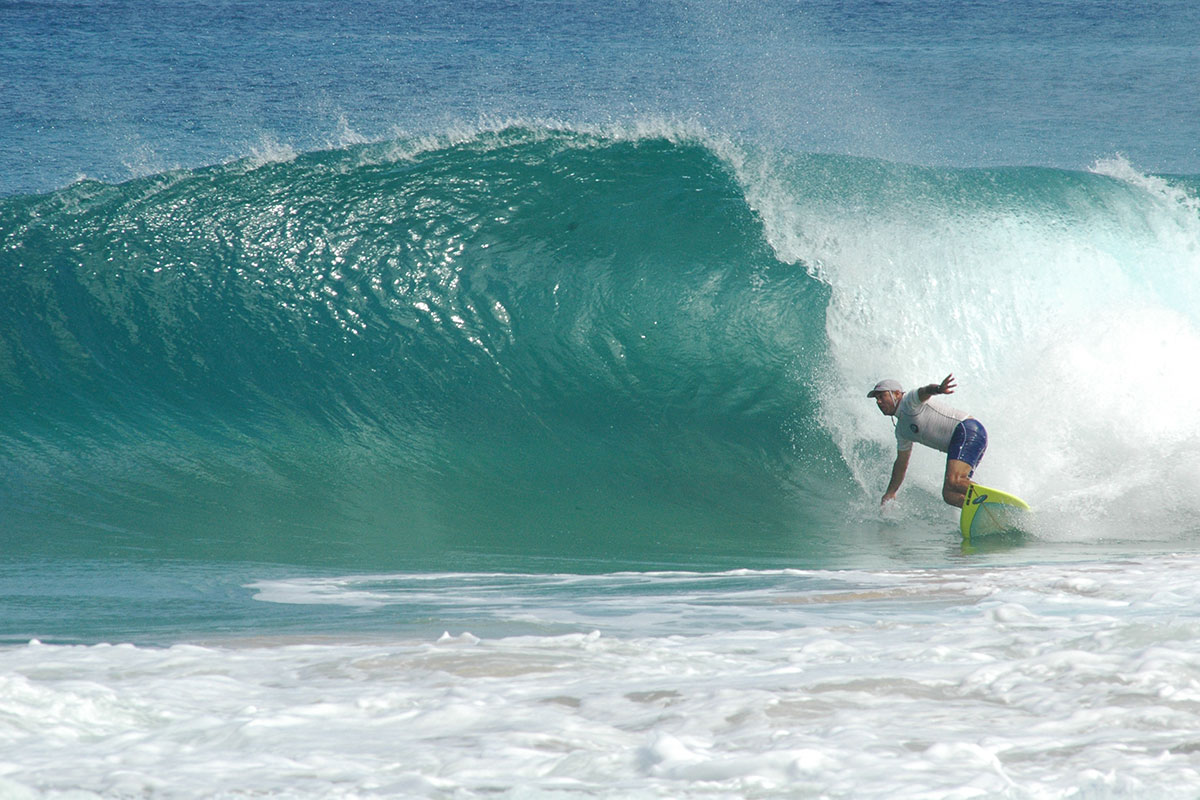
It’s a calmer wave, easier to surf, and allows for a greater variety of maneuvers. It can reach up to 8 feet, above which it begins to close. At this beach, the waves break to the right and left.
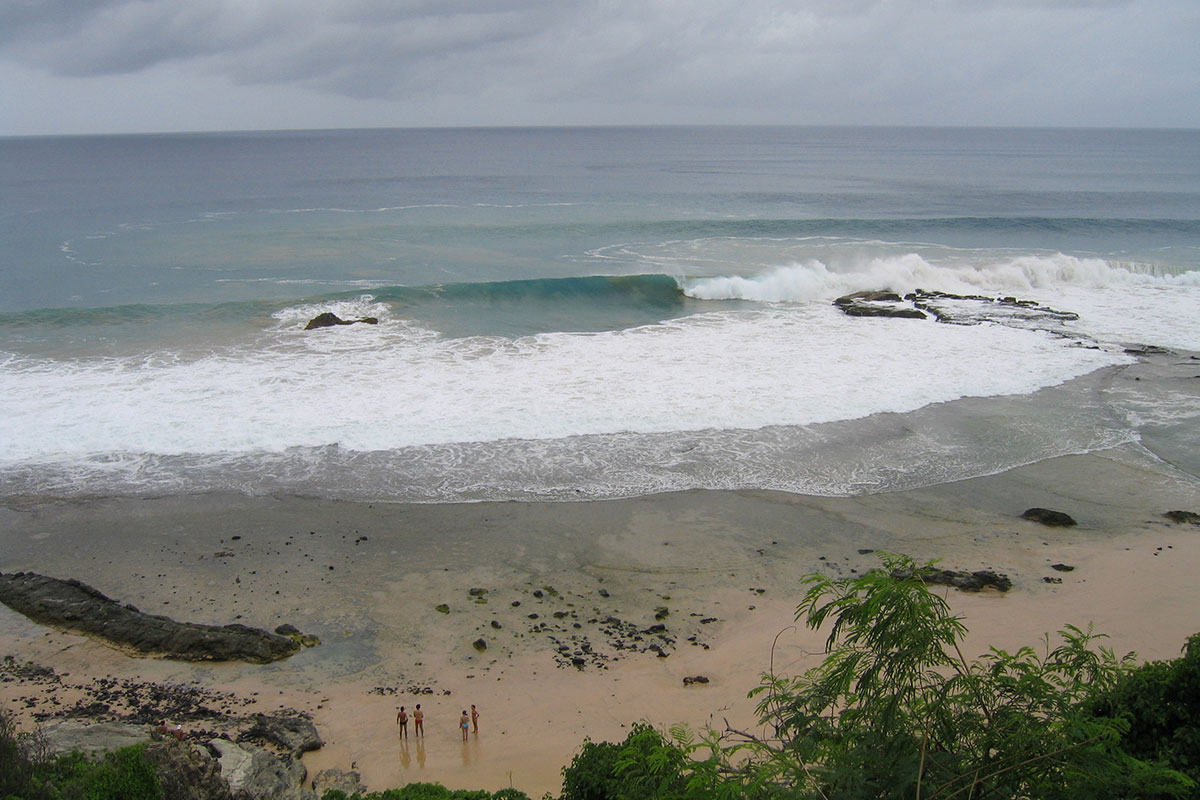
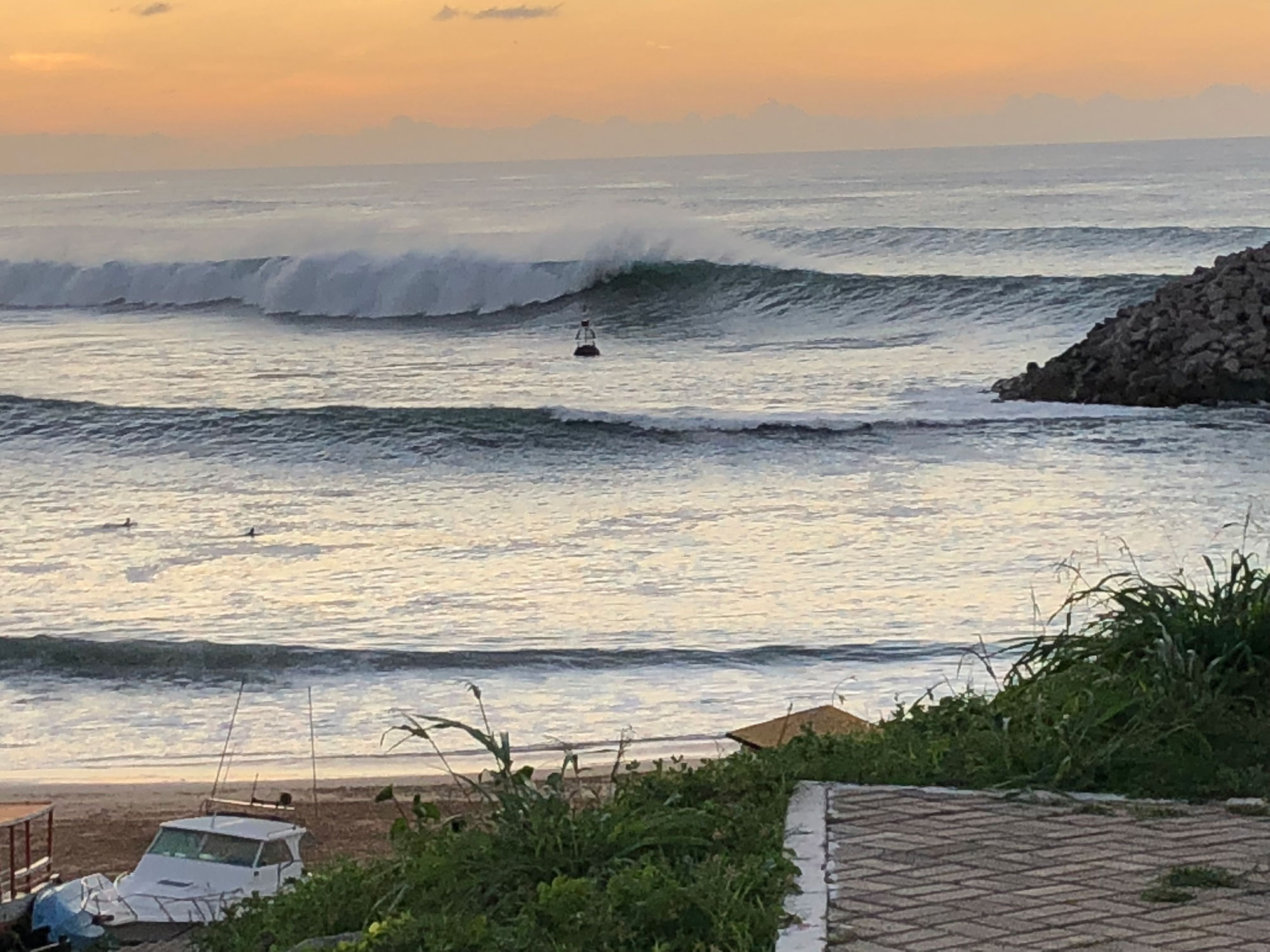
At low tide, the waves are best suited for surfing over rocky bottoms.
The most constant low tide spot on the island is Praia do Boldró, with waves breaking to the right and left.
It’s a short, perfect, standing wave. It’s like rulers that come in and break just right with the bench step.
They are usually 3 to 10 foot tubes, without many maneuvers other than bumps and floaters.
When large swells hit the island, Fernando de Noronha’s best surf spots become ideal conditions.
At high tide, Biboca Beach supports waves of 8 to 15 feet, and Abracadabras, at low tide, has surfing conditions with waves between 5 and 12 feet.
Biboca, located between Morro do Forte dos Remédios and Porto Santo Antônio, is rarely surfed due to a lack of adequate equipment and surfers capable of surfing this wave.
Abracadabras, a rocky bay between São José Island and Rasa Island, is a perfect wave.
When a surfer first sees this peak, it looks like a difficult wave because it’s big and steep.
But it’s an easy wave, just don’t fall into the drop, so you don’t end up on the rocks.
Entering and exiting the sea is complicated and requires the experience of someone who knows the area.
The proper equipment for a five- to ten-day surf season on the island includes two surfboards, one medium and one large; good quality leashes are essential, as is a UV lycra shirt.